
Decoding the TikTok Algorithm: More Than Just a Rabbit Hole
Ctrl+Attn

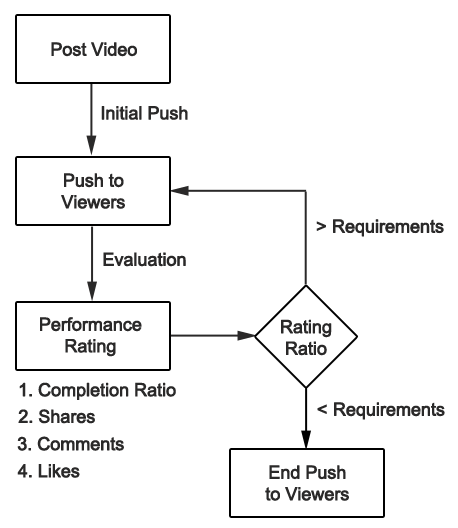
We’ve all been there: you open TikTok "just for a minute," and suddenly an hour (or three) has vanished. The app's uncanny ability to serve up exactly what you want to see, often before you even know you want to see it, is no accident. It’s the work of a complex and constantly evolving algorithm. This week, we're diving deep into the heart of the TikTok algorithm – how it works, its impact, and whether you can actually control what it shows you. Understanding this algorithm is crucial in today’s digital landscape, as it not only shapes our entertainment but also our perspectives and behaviors.
The Algorithm's Inner Workings: A Deep Dive
The TikTok algorithm is a sophisticated recommendation system that leverages artificial intelligence (AI) and extensive user data analysis. It's designed to personalize content delivery, with the "For You" page (FYP) as its central feature. Unlike platforms that prioritize social connections, TikTok focuses on a content graph, analyzing user interests and behaviors such as watch time, likes, shares, and comments. This approach allows TikTok to deliver a highly personalized experience, blending predictability with novelty.
Here’s a more detailed look at how it operates:
Data Collection: TikTok gathers vast amounts of user data through various techniques such as event tracking, user segmentation, and A/B testing. This includes details about user sessions, device settings, and individual engagement metrics. This data is used to understand user behavior and adapt the algorithm in real-time. The platform also collects data related to privacy policies to ensure a safe user experience.
Content Analysis: The algorithm meticulously analyzes video metadata, including captions, hashtags, sounds, and effects. By systematically grouping videos with similar metadata, the platform improves content discoverability. The use of relevant and trending hashtags significantly enhances content visibility, while popular sounds and effects amplify reach.
Personalization: The algorithm creates a personalized profile based on historical user behavior, predicting which videos a user is likely to enjoy. This process involves continuously refining recommendations based on user interactions. The algorithm uses a user-item matrix to capture interactions between users and content, including metrics such as likes, watch time, comments and shares, to inform the system about user preferences and behaviors.
Real-Time Adaptation: A standout feature of TikTok's system is its ability to adapt in real time. As users interact with different content, the algorithm rapidly recalibrates to reflect their current interests. This capacity for real-time adjustment is crucial in a dynamic environment where trends can shift quickly.
Collaborative Filtering: Once sufficient user data has been collected, TikTok applies collaborative filtering to further refine the FYP. This method analyzes similarities in user behavior, allowing the algorithm to recommend videos based on the engagement patterns of similar users.
Machine Learning: The algorithm is rooted in advanced machine learning techniques such as deep learning models which process vast amounts of user data, capturing complex patterns in behavior and preferences. Reinforcement learning further enhances the system by allowing it to learn from user feedback, continuously improving the accuracy of content recommendations.
Essentially, the algorithm is trying to "hack into our brains," as one expert put it, by identifying "idiosyncratic but in some ways predictable patterns" in human psychology. TikTok’s goal is to keep users on the service as long as possible, so re-watching a video is highly informative to the algorithm.
Key Factors Influencing the Algorithm
Several key factors determine what appears on your FYP, with some carrying more weight than others:
User Interactions: This is the most critical category. Likes, shares, comments, and watch time significantly influence recommendations. Videos watched to completion or replayed are ranked higher. The more a user interacts with a particular video, the more likely similar content will appear in their feed.
Video Information: Metadata such as captions, hashtags, and trending sounds play a crucial role in content visibility. Using popular sounds can boost video views by up to 30%. Videos with keywords relevant to trending topics or user interests rank higher.
Device and Account Settings: Language preference, country setting, and device type are considered, though they are less influential than other factors as users don't actively express these as preferences. These factors are primarily used to optimize the system's performance.
User Demographics and Interests: The algorithm is inherently personalized and tailors content based on previous interactions with content types, engagement history with creators, and existing viewing habits. This creates a personalized feed of content tailored to individual habits.
Time of Posting: Studies show that posting between 6PM and 10PM, especially on weekends, often results in higher engagement. However, each audience is different, and posting times should be adapted to fit the habits of the content creator's specific audience.
TikTok also considers negative feedback; videos you’ve marked as “Not Interested,” creators you’ve chosen to hide, and videos you tend to skip all influence future recommendations.
The "For You" Page: A Unique, Personalized Experience
The "For You" page is the heart of the TikTok experience. It's a stream of videos curated to your interests, making it easy to find content and creators you love. While different users may see some of the same popular videos, each person's feed is unique and tailored to them. The system recommends content by ranking videos based on a combination of factors starting from interests users express as new users and adjusting for what users indicate they are not interested in.
TikTok emphasizes that neither follower count nor whether an account has had previous high-performing videos are direct factors in the recommendation system. The algorithm is primarily focused on engagement and relevance to the user.
The Dark Side: Echo Chambers, Misinformation, and More
While the algorithm is great at serving up personalized content, it's not without its downsides:
Echo Chambers: By prioritizing content that aligns with a user’s existing views, the algorithm can create echo chambers, where users are primarily exposed to similar opinions. This can lead to societal polarization and limit exposure to diverse perspectives.
Misinformation: The rapid content delivery model can contribute to the spread of misinformation. Because the algorithm prioritizes engagement, it can inadvertently amplify false or misleading content if it gains traction. One study found that 20% of search results for prominent news topics contained misinformation.
Reduced Attention Span: The endless stream of short videos can contribute to a reduced attention span and a "chronically online" mentality. This is because users receive quick dopamine hits from scrolling which can lead to a "flow state," where they lose track of time.
Mental Health Impacts: The platform's competitive environment can lead to users sharing extreme experiences to gain validation, potentially undermining genuine connections. There are also concerns about the mental health implications of competitive content sharing and unrealistic beauty standards.
Privacy Concerns: TikTok has faced criticism for its data practices, including the collection and sharing of user data and the use of facial recognition technology. It has been accused of accessing user data to track journalists, sparking global outrage and investigations.
Suppression of Content: The algorithm has faced criticism for perceived biases in content visibility, particularly regarding the suppression of non-white creators. It has also been scrutinized for its role in shaping public discourse during significant social movements, with concerns raised about transparency and moderation.
Can You Control the Algorithm?
While you can't completely reset the algorithm, TikTok provides some tools for users to try and influence what they see:
"Not Interested" Button: You can long-press on a video and tap "Not Interested" to signal that you don't want to see similar content. You can also hide videos from specific creators or using a specific sound.
Refresh Option: TikTok introduced an option to "refresh" your feed, but this only provides fresh recommendations for a period of time, not a total reset. The app keeps the data, so the algorithm can use old preferences.
Content Preferences: New users can select categories of interest when they join, which helps tailor initial recommendations.
However, if you're looking for a more significant change, experts suggest:
Actively Seek Out New Content: Use the search function and hashtags to engage with different topics.
Create a New Account: This is the most effective way to get a truly fresh start, as it allows you to experience a feed without the influence of your past engagement history.
Mindfulness: Practicing mindfulness can help you become more aware of your digital environment and make more conscious choices about the content you consume.
Digital Literacy: Improving your understanding of how algorithms work can help you navigate potential biases and think critically about the content you see.
Final Thoughts: Navigating the TikTok Landscape
The TikTok algorithm is a powerful tool that has revolutionized social media. It's a master of personalization, capable of delivering a highly engaging experience. However, it's crucial to be aware of its potential downsides: echo chambers, misinformation, the erosion of attention spans, and privacy concerns. As users, we need to be mindful of how we engage with the platform and take steps to diversify our content consumption. The algorithm is designed to keep you scrolling, but with a bit of awareness, you can regain some control over your digital attention and create a more balanced experience. TikTok, like any social media platform, can be a source of entertainment, connection, and information. It’s up to us to use it intentionally.
What do you think about the TikTok algorithm? Have you noticed its impact on your online experience? Let me know in the comments.